

To fix a door lock, first identify the fault: tighten a loose knob at its screws, realign a latch by moving the strike plate, tighten the set screw on a spinning cylinder, or extract a broken key with needle-nose pliers. A lock that is seized, worn out, or forced in a break-in should be rekeyed or replaced rather than repaired.
A door lock that sticks, spins, or will not turn is more than an annoyance. It is a security risk. The good news is that many lock problems have a simple fix you can do yourself in under an hour. This guide walks through the most common door lock repairs by type and symptom, and shows you when a repair will hold and when it is time to rekey, replace, or call a pro. If you would rather hand it off, we offer professional lock repair and locksmith service in Toronto.
Tools You Will Need
- Phillips and flat-head screwdrivers
- Needle-nose pliers
- Allen (hex) keys
- A thin pick, stiff wire or a spare key
- Dry graphite or a PTFE (Teflon) lock lubricant, not WD-40
- Replacement parts if needed: cylinder, spindle, strike plate or a new lockset
A quick note on lubricant: use dry graphite or a PTFE spray inside a lock. Oil-based sprays like WD-40 attract dust and gum up the mechanism over time.
First, Diagnose the Problem
Match your symptom to the likely cause before you take anything apart.
| Symptom | Likely cause | Fix below |
| Knob or lever is loose and wobbly | Loose mounting screws or worn spindle | Loose knob or lever |
| Key turns but the lock does nothing | Spinning or detached cylinder | Lock cylinder |
| Key will not turn or snapped off | Worn pins, debris, or a broken key | Cylinder / broken key |
| Multipoint handle will not lift or lock | Failed uPVC gearbox or alignment | uPVC multipoint lock |
| Deadbolt will not extend or line up | Misaligned strike or worn bolt | Deadbolt |
| Door will not latch shut | Strike plate or door is out of alignment | Door will not latch |
| Lock is stiff, frozen or jammed | Dirt, grime or frozen moisture | Frozen or jammed lock |
How to Fix a Loose Door Knob or Lever
A wobbly knob is usually the quickest repair of all.
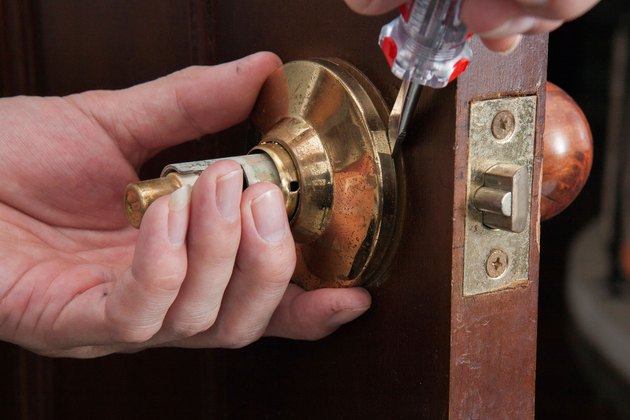
- Look for visible screws on the interior rose (the plate behind the knob) and tighten them evenly on both sides.
- If the screws are hidden, check for a small slot or pin hole at the base of the knob, release the catch, and pop off the rose to reach the mounting screws.
- If tightening does not hold, the spindle is worn. Remove the handles and replace the spindle or the full lever set.
Stuck rather than loose? See our guide on how to remove a stuck door knob.
How to Fix a Door Lock Cylinder
The cylinder is the part the key turns. Two faults are common: the whole cylinder spins, or the key will not turn.
The cylinder spins freely
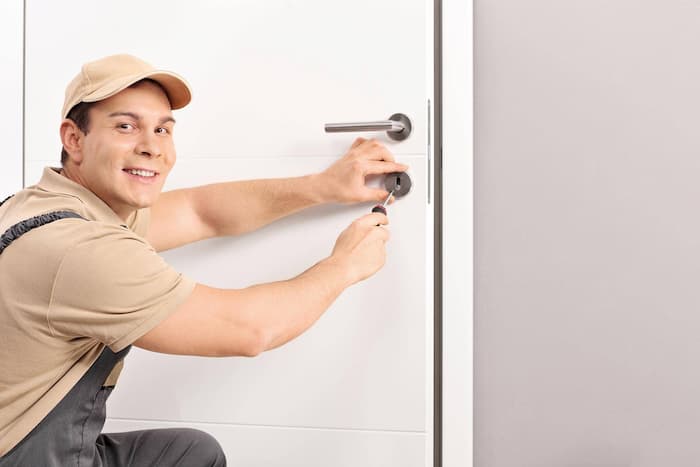
- Open the door and find the set screw on the edge of the door, behind the faceplate, that holds the cylinder in place.
- Remove the faceplate, tighten the set screw, and replace it if it is stripped or rusted.
- Test the key. The cylinder should now stay fixed while the key turns the cam.
The key will not turn
- Spray dry graphite into the keyway and work the key in and out a few times.
- If it still binds, the pins or cylinder are worn. Remove the cylinder and replace it with a matching one, or have it rekeyed.
How to Remove a Broken Key From a Lock
- Do not turn the lock with the fragment inside. Keep the cylinder in its current position.
- Grip the exposed end of the key with needle-nose pliers and pull straight out. Pull, do not twist.
- If nothing is exposed, remove the cylinder and push the fragment out through the cam slot at the back with a stiff wire.
- Test with a spare key. If the two halves line up, a locksmith can often recut a working key from them.
How to Fix a uPVC or Multipoint Door Lock
Most newer exterior and patio doors in Canada use a uPVC multipoint lock, where lifting the handle throws several bolts at once. When the handle lifts but will not lock, the cause is usually alignment or a failed gearbox.
- Test the door open. If the handle lifts and locks freely with the door open but not closed, the problem is alignment. Adjust the keeps (the strike points) on the frame so the bolts line up.
- If the handle is stiff or will not lift even with the door open, the gearbox has failed. This part is replaceable, but match the make and backset exactly.
- Lubricate the strip with dry graphite, never oil, and avoid forcing a stiff handle, which snaps gearboxes.
A dropped or dragging door often causes multipoint misalignment. If the frame itself has shifted, see our door frame and jamb repair guide.
How to Fix a Deadbolt That Will Not Lock
- Throw the bolt with the door open. If it works open but jams shut, the bolt and strike hole are misaligned.
- Mark where the bolt hits, then enlarge or reposition the strike plate and bolt hole in the frame so the bolt slides in cleanly.
- If the bolt is loose or will not extend fully, remove and replace the deadbolt. It is an inexpensive, bolt-in part.
How to Fix a Door That Will Not Latch
When the latch misses the strike plate, the door bounces back open.
- Close the door slowly and watch where the latch meets the strike plate.
- Loosen the strike plate screws and shift the plate up, down or sideways until the latch catches.
- If the gap is large, the door has dropped. Tighten or lengthen the top hinge screws to lift the door back into line.
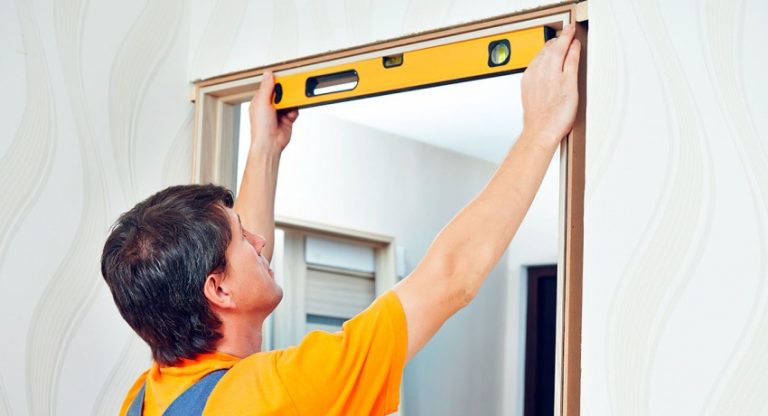
For the full alignment walkthrough, read how to repair a door frame and strike.
How to Free a Frozen or Jammed Lock
- Frozen in winter: use a lock de-icer or warm the key gently. Never force a key in a frozen lock, as it can snap.
- Jammed with grime: spray dry graphite or PTFE into the keyway and work the key in and out. Avoid oil-based sprays, which make it worse over time.
Repair, Rekey or Replace? How to Decide
- Repair when the lock body is sound and the fault is alignment, a loose screw, grime, or a worn spindle.
- Rekey when the lock works fine but you want new keys: after moving into a home, losing a key, or a tenant change. A locksmith changes the pins so old keys no longer work, at a fraction of replacement cost.
- Replace when the lock is seized, badly worn, outdated, or was forced in a break-in. A compromised lock is a security risk, not a repair.
Weighing a bigger fix? Our guide on whether to repair or replace your door breaks down the costs.
When to Call a Professional
Call a pro if the lock was forced in a break-in, the key has snapped deep inside, a multipoint gearbox has failed, or you are locked out. A damaged exterior lock leaves your home exposed, so it is worth fixing quickly and correctly. A Plus Lock & Door offers 24/7 emergency door and lockout service and professional door repair across Toronto, with same-day visits.
How to Prevent Lock Problems
- Lubricate locks once or twice a year with dry graphite or PTFE, not oil.
- Fix a sticking or dragging door early, before it stresses the latch and lock.
- Keep keys clean and never force a stiff or frozen lock.
- Rekey after moving in, and upgrade worn deadbolts and strike plates for better security.
Frequently Asked Questions
Why does my key turn but the door will not unlock?
The cylinder has come loose and is spinning instead of turning the cam. Tighten the set screw on the edge of the door behind the faceplate, and replace it if it is stripped.
Can I fix a uPVC door lock myself?
Alignment issues are a doable DIY fix by adjusting the keeps on the frame. A failed multipoint gearbox can be replaced, but it must match the make and backset exactly, so many homeowners call a pro for that part.
Is it cheaper to rekey or replace a lock?
Rekeying is usually cheaper and is the right choice when the lock works but you want new keys. Replace the lock only if it is worn, seized or was damaged in a break-in.
How do I get a broken key out of a lock?
Grip the exposed end with needle-nose pliers and pull straight out without twisting. If the key is flush, remove the cylinder and push the fragment out through the cam slot with a stiff wire.
Should I use WD-40 on a sticky lock?
No. Oil-based sprays attract dust and gum up the pins over time. Use a dry graphite or PTFE lubricant made for locks instead.
When should I call a locksmith?
Call a professional if your lock was forced, a key snapped off deep inside, a multipoint gearbox failed, or you are locked out. For help choosing a company, read our guide on how to choose a door repair company.